Your Lawn Looks Worse After Mowing Than Before: What Your Snapper's Blades and Deck Might Be Telling You
Date Released: -- Category: Blog
There's something particularly disheartening about spending an hour mowing the lawn only to step back and think it actually looks worse than when you started. Ragged edges, torn grass, uneven patches, and a general scruffiness that wasn't there before are all signs that something isn't quite right. The good news is that the cause is almost always straightforward, and once you know what to look for, it's usually easy to put right.
This isn't about choosing the right type of blade for your Snapper, that's a separate conversation. This is about recognising when the blades or deck you already have aren't performing as they should, and what to do about it.
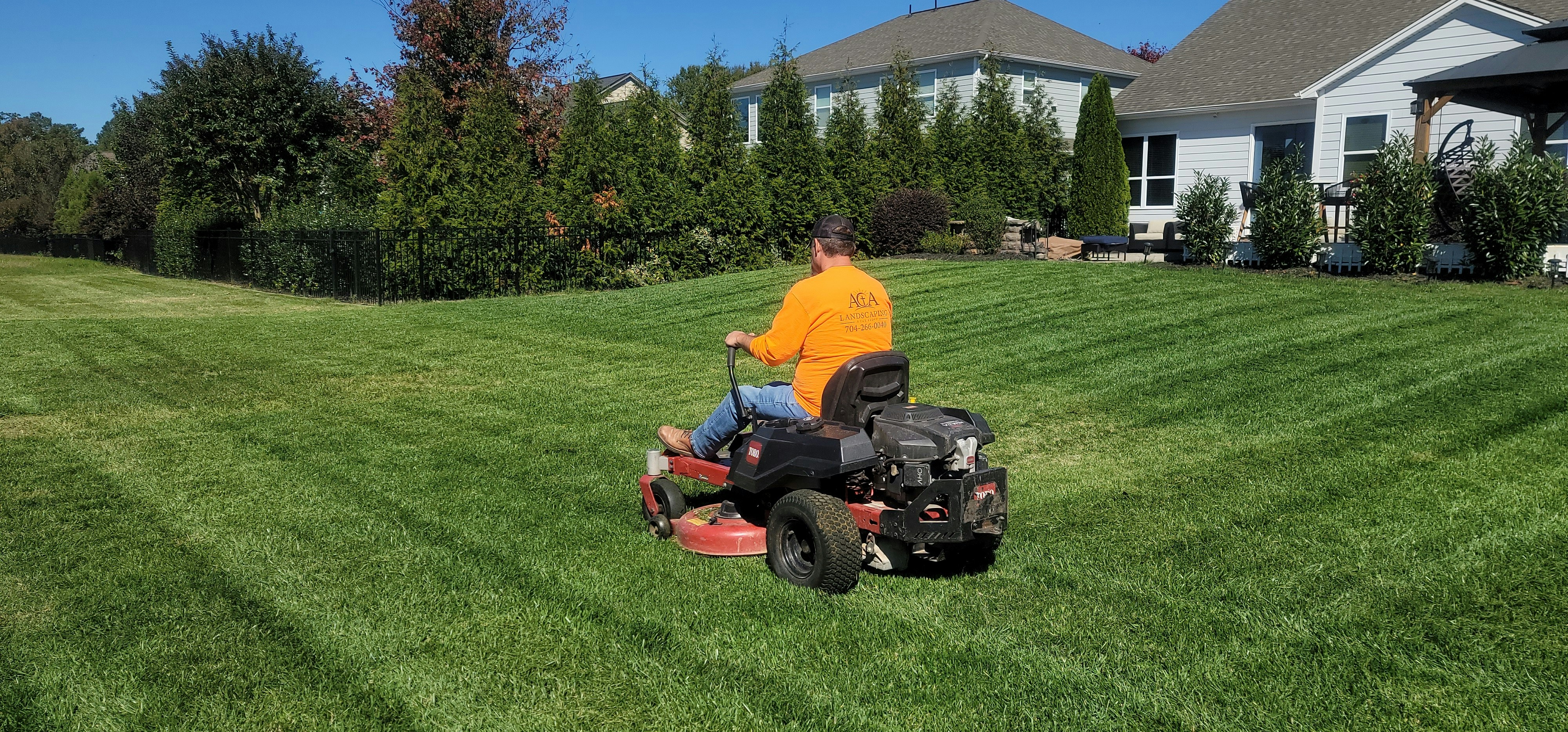
If your lawn consistently looks untidy after cutting, even when the grass was at a reasonable length before you started, the machine is worth investigating.
If your lawn has been looking a bit dull or straw-coloured at the tips after cutting, rather than showing a fresh green edge, blunt blades are the most likely explanation. It's one of those things that creeps up gradually, because the deterioration in cut quality happens slowly enough that you might not notice it until it's become quite pronounced.
Sharpening or replacing the blades is one of the highest-impact, lowest-cost things you can do for your lawn. Most local small engine workshops will do it quickly and cheaply, and the difference in cut quality is usually immediate.
It's important to replace rather than attempt to straighten a bent blade. A blade that isn't perfectly balanced puts extra stress on the spindle and the cutting deck, and over time that stress adds up. Replacement blades for Snapper mowers are readily available and not expensive, and fitting a new one is a job most owners can manage with basic tools.

This can happen gradually as a result of normal use, or more suddenly if the machine has had a bump or been driven over rough ground. Checking that the deck is set evenly on both sides takes only a moment, and correcting it can transform the cut quality without any other changes at all.
Cleaning under the deck after each use, or at least regularly during the season, is one of the simplest maintenance jobs there is, and the effect on cut quality can be striking. With the machine safely switched off, tipping it carefully or using a scraper to clear the buildup takes only a few minutes.
The key thing is not to accept a poor cut as normal. Your Snapper is capable of producing a tidy, consistent finish, and if it isn't doing that, something is worth looking at.
This isn't about choosing the right type of blade for your Snapper, that's a separate conversation. This is about recognising when the blades or deck you already have aren't performing as they should, and what to do about it.
What a Good Cut Actually Looks Like
Before diving into what goes wrong, it helps to know what right looks like. A mower in good condition cutting at the correct height should leave a clean, even finish across the whole lawn. The grass tips should look neat rather than frayed, the surface should be level from one side to the other, and there shouldn't be any strips or patches that look noticeably longer or shorter than the rest.If your lawn consistently looks untidy after cutting, even when the grass was at a reasonable length before you started, the machine is worth investigating.
Blunt Blades: The Most Common Culprit
Mower blades do an enormous amount of work during the growing season, and they don't stay sharp indefinitely. A blade that has lost its edge doesn't cut grass cleanly. Instead of slicing through each stem, it batters and tears at it, which leaves the grass tips ragged and often slightly brown a day or two after mowing.If your lawn has been looking a bit dull or straw-coloured at the tips after cutting, rather than showing a fresh green edge, blunt blades are the most likely explanation. It's one of those things that creeps up gradually, because the deterioration in cut quality happens slowly enough that you might not notice it until it's become quite pronounced.
Sharpening or replacing the blades is one of the highest-impact, lowest-cost things you can do for your lawn. Most local small engine workshops will do it quickly and cheaply, and the difference in cut quality is usually immediate.
Bent Blades: A Different Problem
A bent blade is worth checking for separately. Even a minor bend, perhaps from clipping a hidden stone or root, can cause the blade to cut unevenly across its width, leaving strips or patches of grass at different heights. A bent blade often produces vibration through the handles as well, and may make a rhythmic knocking sound during operation.It's important to replace rather than attempt to straighten a bent blade. A blade that isn't perfectly balanced puts extra stress on the spindle and the cutting deck, and over time that stress adds up. Replacement blades for Snapper mowers are readily available and not expensive, and fitting a new one is a job most owners can manage with basic tools.
Deck Height: Are Both Sides Level?
Another common cause of an uneven cut that often goes unnoticed is a cutting deck that isn't sitting level. If one side of the deck is slightly lower than the other, the blade will cut closer to the ground on that side, producing a finish that looks uneven or stepped across the width of the cut.This can happen gradually as a result of normal use, or more suddenly if the machine has had a bump or been driven over rough ground. Checking that the deck is set evenly on both sides takes only a moment, and correcting it can transform the cut quality without any other changes at all.
Grass Buildup Under the Deck
The underside of the cutting deck needs to be reasonably clear to work properly. Grass clippings, particularly damp ones from early morning mowing or cutting in wet conditions, pack together surprisingly quickly and form a thick layer that disrupts the airflow inside the deck. That airflow is what lifts the grass upright before the blade reaches it, so when it's restricted, the grass doesn't stand up properly and the cut becomes uneven and messy.Cleaning under the deck after each use, or at least regularly during the season, is one of the simplest maintenance jobs there is, and the effect on cut quality can be striking. With the machine safely switched off, tipping it carefully or using a scraper to clear the buildup takes only a few minutes.
When to Get It Looked At
If you've checked the blades, levelled the deck, and cleared the underside and the cut is still poor, it may be worth having the spindle bearings checked. The spindle is what holds the blade in place and allows it to spin, and worn bearings can cause a slight wobble in the blade that produces an inconsistent cut. A local dealer or workshop can assess this quickly.The key thing is not to accept a poor cut as normal. Your Snapper is capable of producing a tidy, consistent finish, and if it isn't doing that, something is worth looking at.