Why Does My Snapper Vibrate More Than It Used To?
Date Released: 1 Jun 2026 Category: Blog
There is a particular kind of unease that comes with noticing your mower has started to vibrate more than it used to. It is not always dramatic enough to stop you finishing the lawn, but it is noticeable enough to sit at the back of your mind while you are cutting. The handlebars feel a little more rattly, the seat seems to buzz more than you remember, and something just feels slightly off. The temptation is to carry on and hope it settles down on its own. It rarely does.
Increased vibration is almost always telling you something, and the good news is that the causes are usually identifiable and straightforward to address. Working through them in a logical order will save you time and, more importantly, prevent a minor issue from turning into a more expensive one.

With the machine switched off, the ignition key removed, and the spark plug lead disconnected for safety, carefully inspect the blade. Look for nicks, bends, or areas where material has been chipped away unevenly. A blade that looks visually symmetrical but has been sharpened unevenly can also become unbalanced over time, which is one reason why blade sharpening is best done carefully and evenly rather than quickly.
If the blade looks damaged or uneven, replacing it is the sensible move. Trying to rebalance a damaged blade is rarely worth the effort, and a new blade is not a significant expense compared to the wear that a persistently unbalanced one causes to everything around it.
Also look at the condition of the blade adapter or hub that the blade mounts onto. If this component has become worn or damaged, it will not hold the blade in the precise position it needs to be in, and vibration will follow even if the blade itself is in good condition.
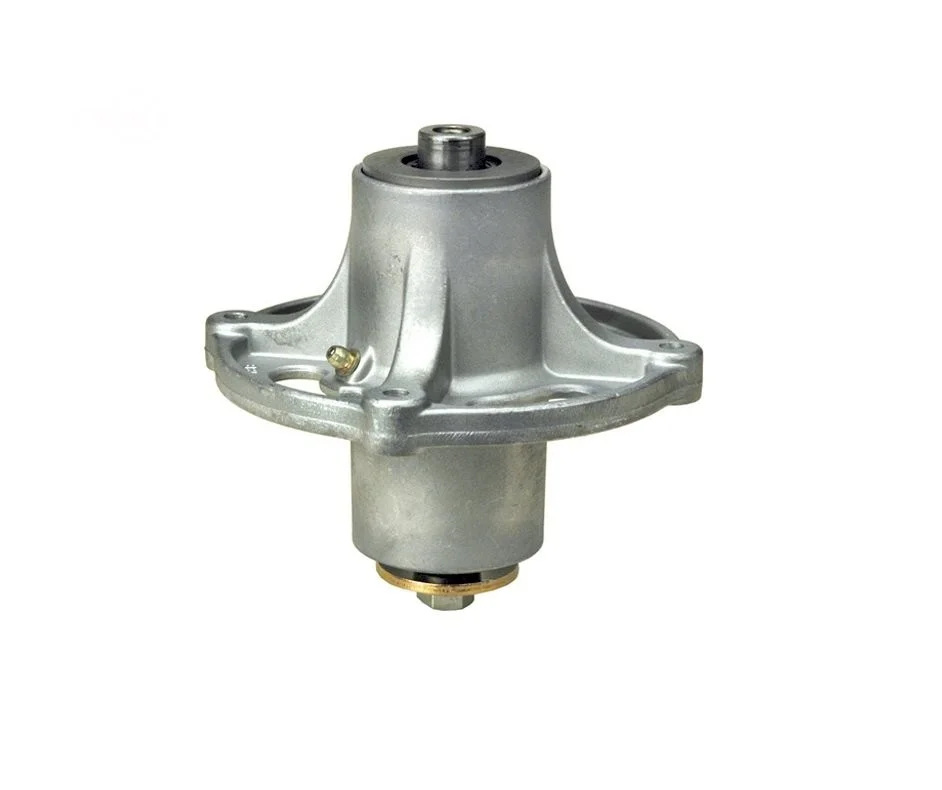
A simple way to check for bearing wear is to grip the tip of the blade with the machine safely off and try to move it up and down rather than rotationally. There should be no movement at all. Any play, even a small amount, points to bearing wear that will only get worse with continued use and will eventually cause the spindle itself to be damaged if it is left unattended.
Spindle bearings on Snapper machines are replaceable, and doing so sooner rather than later protects the spindle housing and the deck from the kind of wear that is considerably more involved to repair.
A methodical check of all visible fixings, covers, and panels takes only a few minutes and is worth doing as part of any vibration investigation. Pay particular attention to the cutting deck itself, which on most Snapper models is suspended from the frame on hangers or brackets. If any of these fixing points have become loose or if a hanger has cracked, the deck will move more than it should during operation and the vibration will be felt throughout the machine.
An engine that is running roughly due to a fuelling or ignition issue can also produce vibration that feels mechanical in origin. If the engine does not sound as smooth as it usually does alongside the increased vibration, it is worth checking the basics: the spark plug condition, the air filter, and whether the fuel is fresh.

Your Snapper is a robust machine, but like anything mechanical it benefits from being listened to. When it starts telling you something has changed, it is worth taking a few minutes to find out what it is saying.
Increased vibration is almost always telling you something, and the good news is that the causes are usually identifiable and straightforward to address. Working through them in a logical order will save you time and, more importantly, prevent a minor issue from turning into a more expensive one.
Start With the Blade
The blade is by far the most common source of vibration on a ride-on or rear-engine mower, and it should always be the first thing you look at. A blade that has taken a knock, even a relatively minor one from a stone or a piece of buried debris, can become unbalanced. When an unbalanced blade spins at the speeds required for mowing, even a small difference in weight distribution between one end and the other creates a significant vibration that travels up through the deck and into the frame of the machine.With the machine switched off, the ignition key removed, and the spark plug lead disconnected for safety, carefully inspect the blade. Look for nicks, bends, or areas where material has been chipped away unevenly. A blade that looks visually symmetrical but has been sharpened unevenly can also become unbalanced over time, which is one reason why blade sharpening is best done carefully and evenly rather than quickly.
If the blade looks damaged or uneven, replacing it is the sensible move. Trying to rebalance a damaged blade is rarely worth the effort, and a new blade is not a significant expense compared to the wear that a persistently unbalanced one causes to everything around it.
Check the Blade Mounting
While you are looking at the blade, check that it is mounted securely. A blade bolt that has worked slightly loose will allow the blade to move fractionally during operation, which creates vibration and, more seriously, represents a safety risk. The bolt should be tight and the blade should sit flush and level on the spindle. If the blade has any movement when you try to shift it by hand with the bolt in place, that needs attention before the machine is used again.Also look at the condition of the blade adapter or hub that the blade mounts onto. If this component has become worn or damaged, it will not hold the blade in the precise position it needs to be in, and vibration will follow even if the blade itself is in good condition.
The Spindle and Deck Bearings
If the blade and its mounting are both in good order and the vibration persists, the next area to investigate is the spindle and the bearings that support it. The spindle is the shaft that the blade attaches to and spins on, and it runs through a bearing housing in the deck. Over time and with regular use, these bearings wear. When they do, the spindle develops a small amount of play that was not there originally, and that play translates directly into vibration.A simple way to check for bearing wear is to grip the tip of the blade with the machine safely off and try to move it up and down rather than rotationally. There should be no movement at all. Any play, even a small amount, points to bearing wear that will only get worse with continued use and will eventually cause the spindle itself to be damaged if it is left unattended.
Spindle bearings on Snapper machines are replaceable, and doing so sooner rather than later protects the spindle housing and the deck from the kind of wear that is considerably more involved to repair.
Loose Components on the Machine
Not all vibration originates from the cutting deck. Sometimes the cause is simply a component elsewhere on the machine that has worked loose over a season of use. Covers, guards, and panels that are secured with bolts or clips can loosen gradually through vibration and use, and once slightly loose they add their own rattle to the overall feel of the machine.A methodical check of all visible fixings, covers, and panels takes only a few minutes and is worth doing as part of any vibration investigation. Pay particular attention to the cutting deck itself, which on most Snapper models is suspended from the frame on hangers or brackets. If any of these fixing points have become loose or if a hanger has cracked, the deck will move more than it should during operation and the vibration will be felt throughout the machine.
Engine Mounts and the Engine Itself
If everything on the deck and body of the machine checks out and the vibration is still present, it is worth considering whether the source is the engine rather than the cutting system. Engine mounts can deteriorate over time, and a mount that has softened or cracked will allow more engine vibration to transfer into the frame than a healthy one would. This kind of vibration tends to be felt at all times when the engine is running, rather than only when the blades are engaged, which helps distinguish it from deck-related causes.An engine that is running roughly due to a fuelling or ignition issue can also produce vibration that feels mechanical in origin. If the engine does not sound as smooth as it usually does alongside the increased vibration, it is worth checking the basics: the spark plug condition, the air filter, and whether the fuel is fresh.
Act on It Sooner Rather Than Later
The reason it is worth tracking down vibration rather than tolerating it is that vibration is cumulative in its effects. A small imbalance in the blade puts stress on the spindle bearing. A worn spindle bearing puts stress on the deck housing. A loose deck puts stress on the frame fixings. Each stage of that progression is more involved and more expensive to address than the one before it. Catching the cause early, when it is most likely just a blade or a bearing, keeps the whole thing straightforward and inexpensive.Your Snapper is a robust machine, but like anything mechanical it benefits from being listened to. When it starts telling you something has changed, it is worth taking a few minutes to find out what it is saying.