The Mower Is Fine. So Why Does the Lawn Still Look Terrible?
Date Released: 3 May 2026 Category: Blog
Sometimes the frustrating thing about a disappointing lawn isn't the machine at all. You've checked the blades, the deck looks fine, the mower starts first time and runs smoothly, and yet the lawn still looks patchy, uneven, or generally not as good as you'd hoped. If that sounds familiar, the answer is almost certainly in the grass and the ground rather than the machine sitting in your shed.
This is actually reassuring news, because lawn problems that come from the grass itself are very often temporary, seasonal, or fixable with a bit of patience rather than a mechanical repair.
If you've recently given the lawn a severe cut after letting it grow quite long, the grass may be putting all its energy into recovering rather than looking its best. The one-third rule, never cutting off more than a third of the grass height in a single session, exists precisely to prevent this kind of stress, and a lawn that's been over-cut can look rough for a week or more afterwards even when the mowing itself is done.
A heavy thatch layer prevents water and nutrients from reaching the soil properly, and it also means the grass is effectively growing on a spongy, uneven base rather than firm ground. The result is a lawn that looks uneven and patchy even after a careful cut, because the surface itself isn't consistent.
If your lawn feels slightly spongy underfoot and the grass looks poor despite regular mowing, thatch is worth investigating. Running a spring-tine rake firmly across a small section will usually pull up a surprising amount of brown, fibrous material if thatch is present. Scarifying, either by hand or with a machine, is the proper solution, and late spring or early autumn are the best times to do it.
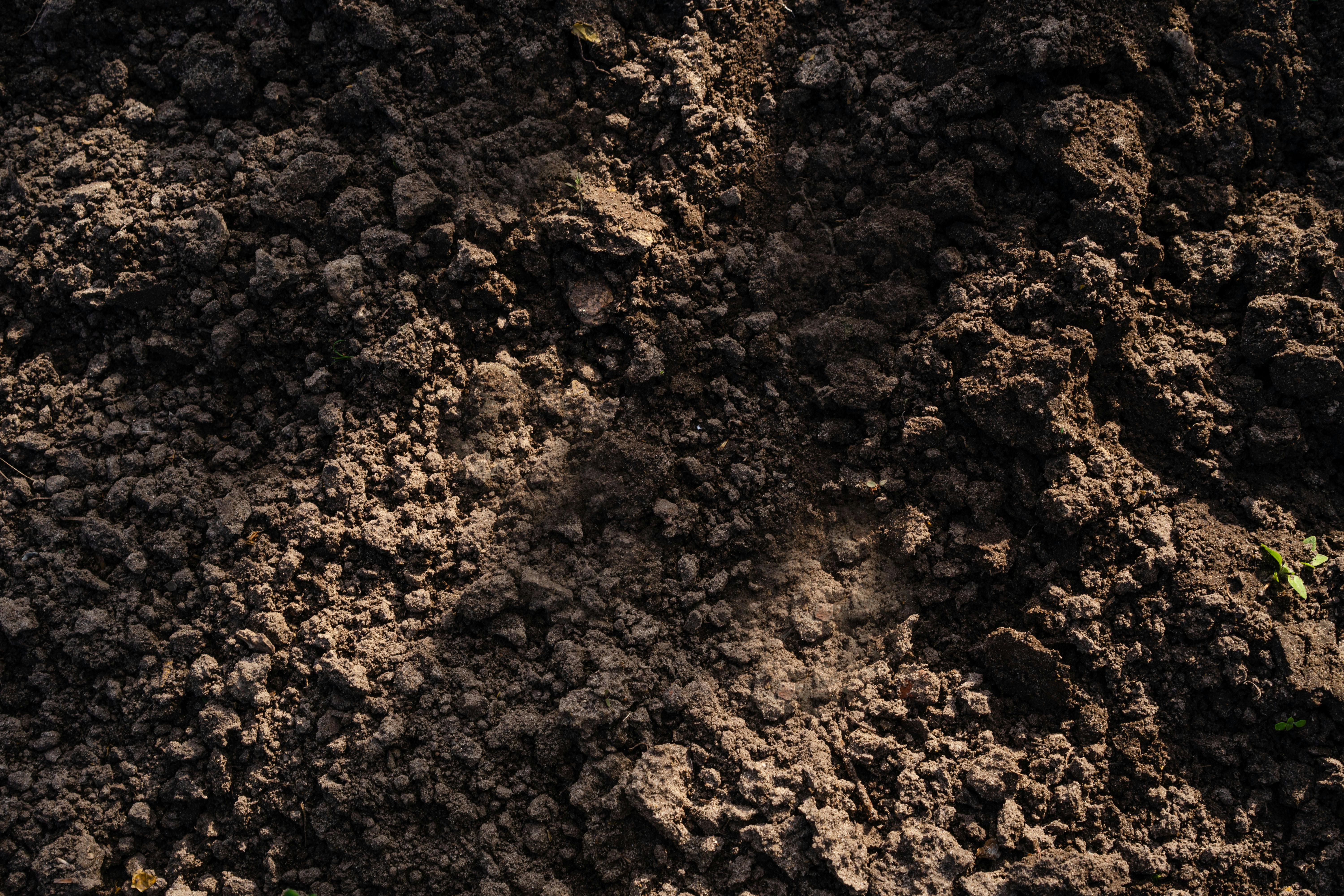
Aerating the lawn by spiking it with a fork or a specialist aerator tool allows air and water back into the soil and can make a significant difference to the overall appearance of the grass over the following weeks. It's a simple job that costs nothing if you have a garden fork and makes a real difference to lawns that get regular use.
If you have areas that consistently look worse than the rest, it may simply be that the grass type isn't suited to those conditions. Overseeding with a more appropriate mix, a shade-tolerant blend for darker areas for example, can transform those patches over a season.

The lawns that look consistently good tend to be the ones that get regular, modest attention rather than occasional intensive intervention. Little and often, in terms of mowing, feeding, and general care, is almost always more effective than trying to fix everything in one weekend.
If your Snapper is running well and you're mowing sensibly, give the lawn a little time and the right conditions to respond. More often than not, it will.
This is actually reassuring news, because lawn problems that come from the grass itself are very often temporary, seasonal, or fixable with a bit of patience rather than a mechanical repair.
The Lawn Might Just Be Stressed
Grass goes through periods of stress just like any plant, and a stressed lawn often looks poor regardless of how carefully it's been cut. The most common causes of stress at this time of year are cutting too short, cutting too much in one go, or mowing when the grass is either very wet or very dry.If you've recently given the lawn a severe cut after letting it grow quite long, the grass may be putting all its energy into recovering rather than looking its best. The one-third rule, never cutting off more than a third of the grass height in a single session, exists precisely to prevent this kind of stress, and a lawn that's been over-cut can look rough for a week or more afterwards even when the mowing itself is done.
Thatch: The Hidden Layer
Thatch is a layer of old dead grass, roots, and organic debris that builds up between the green grass and the soil surface over time. A thin layer is actually beneficial because it helps retain moisture and cushion the surface, but when it becomes too thick, it causes real problems.A heavy thatch layer prevents water and nutrients from reaching the soil properly, and it also means the grass is effectively growing on a spongy, uneven base rather than firm ground. The result is a lawn that looks uneven and patchy even after a careful cut, because the surface itself isn't consistent.
If your lawn feels slightly spongy underfoot and the grass looks poor despite regular mowing, thatch is worth investigating. Running a spring-tine rake firmly across a small section will usually pull up a surprising amount of brown, fibrous material if thatch is present. Scarifying, either by hand or with a machine, is the proper solution, and late spring or early autumn are the best times to do it.
Soil Compaction
Heavily used lawns, particularly in areas where people and pets walk regularly, can become compacted over time. Compacted soil restricts the movement of air, water, and nutrients to the grass roots, and the result is thin, pale, or sparse grass that never quite looks right.Aerating the lawn by spiking it with a fork or a specialist aerator tool allows air and water back into the soil and can make a significant difference to the overall appearance of the grass over the following weeks. It's a simple job that costs nothing if you have a garden fork and makes a real difference to lawns that get regular use.
Grass Type and Shade
Not all grass is the same, and a lawn that was laid or seeded with one type of grass mix may not perform well if conditions have changed since then. Areas of the garden that have become shadier as trees and hedges have grown, or patches of ground that dry out quickly because of shallow soil, will often look persistently poor regardless of how well the mowing is done.If you have areas that consistently look worse than the rest, it may simply be that the grass type isn't suited to those conditions. Overseeding with a more appropriate mix, a shade-tolerant blend for darker areas for example, can transform those patches over a season.
Timing and Expectations
It's also worth being honest about expectations. A lawn in May is recovering from winter, potentially dealing with heavy rainfall, being walked on regularly, and growing at its fastest rate of the year. It's not always going to look like a bowling green, and that's perfectly normal.The lawns that look consistently good tend to be the ones that get regular, modest attention rather than occasional intensive intervention. Little and often, in terms of mowing, feeding, and general care, is almost always more effective than trying to fix everything in one weekend.
If your Snapper is running well and you're mowing sensibly, give the lawn a little time and the right conditions to respond. More often than not, it will.