Slopes, Wet Banks, and Awkward Corners: Getting the Best From Your Snapper When the Going Gets Tricky
Date Released: 2 Jun 2026 Category: Blog
Most lawns are not flat. There might be a sloping bank at the back, a wet patch near the fence that never quite dries out, or a narrow strip between the shed and the border that requires a bit of careful manoeuvring. These are the parts of the garden that most people approach with a slight sense of dread, and they are the parts where things are most likely to go wrong if you are not thinking about what you are doing. The good news is that with a little knowledge and a sensible approach, difficult ground does not have to be difficult at all.
As a general rule, most ride-on mowers are designed to operate safely on slopes up to a certain gradient, typically around fifteen degrees. Beyond that, the risk of the machine becoming unstable increases significantly. If a slope feels steep enough to give you a moment of uncertainty, trust that instinct. Steep banks are often better handled with a walk-behind machine or even a hand tool, and no amount of time saved is worth the risk of a mower becoming unstable on a gradient it was not designed for.
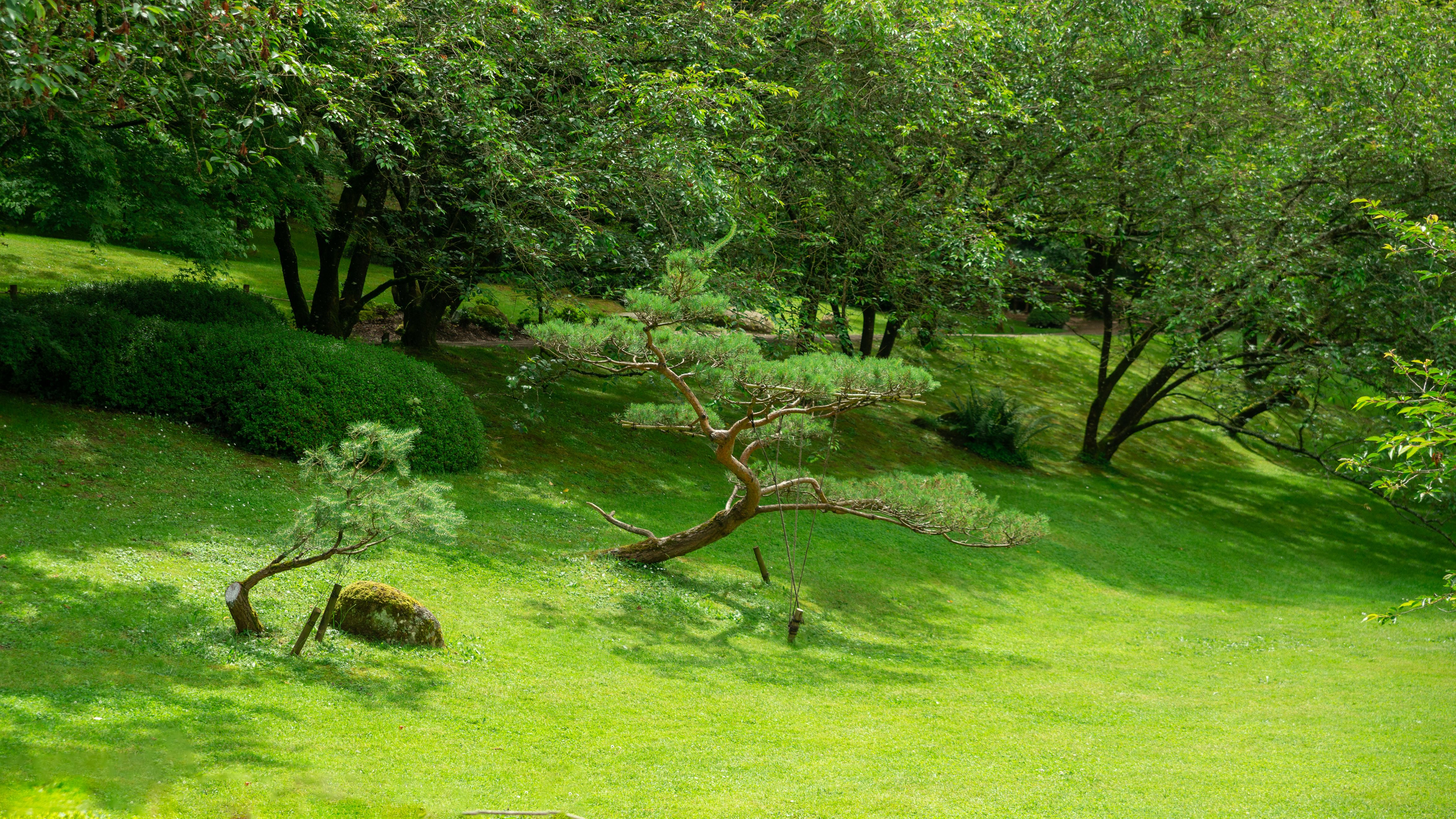
Take your turns at the top or bottom of the slope where the ground levels out, rather than attempting to turn on the slope itself. Turning on a gradient shifts the weight distribution of the machine in ways that can catch you out, particularly if the ground is at all soft or damp. Coming off the slope to turn and then rejoining it in the other direction takes a little longer but is a much safer and more controlled way of working.
The simplest advice is to avoid mowing wet slopes if you can. Waiting until the surface has dried out is not always convenient, but it is considerably less inconvenient than a machine that has slid into a fence or, more seriously, become unstable on a bank. If you do need to mow in damp conditions, reduce your speed, take wider turns, and be especially cautious on any gradient.
Wet patches on otherwise flat ground are worth treating with care too. A soft, waterlogged area will not support the weight of a ride-on machine in the way that firm ground does, and driving over it repeatedly will leave ruts that are frustrating to repair and can cause long-term drainage problems in that part of the lawn. If a patch is consistently wet, going around it with the ride-on and finishing it separately with a push mower or trimmer is a better long-term strategy.
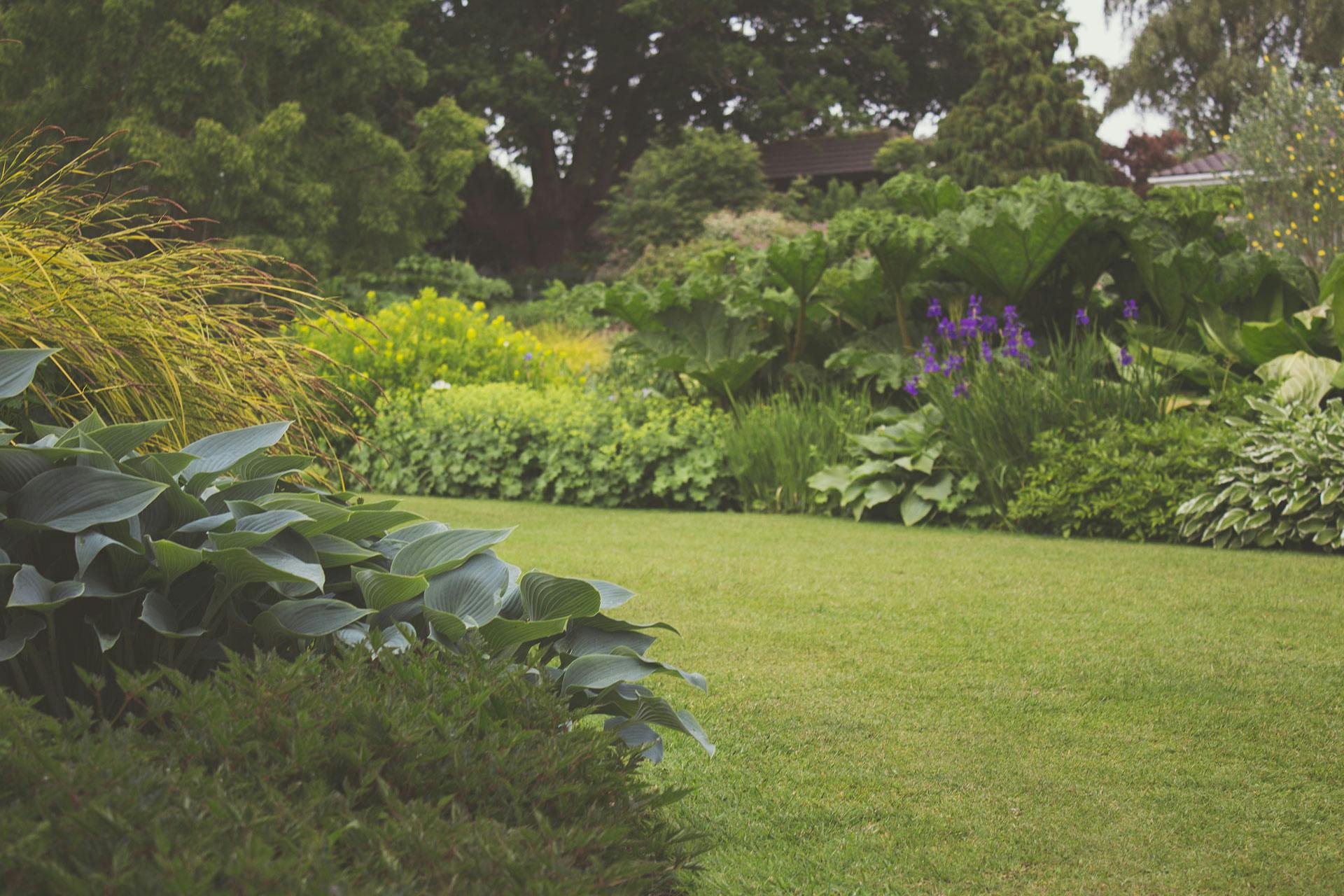
On a Snapper rear-engine rider, the tight turning circle is a genuine asset in these situations. Making use of the machine's manoeuvrability rather than fighting it tends to produce better results. Sometimes the most efficient approach is to make several overlapping passes from slightly different angles rather than trying to achieve a perfect result in one go.
For strips that are genuinely too narrow for the machine, a string trimmer will always do a cleaner job than forcing a ride-on into a space it does not fit. Most people find that a combination of the ride-on for the main area and a trimmer for the edges and awkward spots produces the best overall finish with the least stress on both the operator and the machine.
Even tyre pressure across both rear wheels is particularly worth checking if your machine regularly works on slopes. An uneven pressure difference between the two sides affects the way the machine tracks and can make it pull towards one side on a gradient, which is the last thing you want when you are trying to maintain a controlled line across a bank.
Understanding What Your Machine Can and Cannot Do
Before getting into technique, it is worth being honest about the limits of any ride-on or rear-engine mower on challenging terrain. Snapper machines are well-regarded for their manoeuvrability and low centre of gravity, particularly the rear-engine rider models, which sit closer to the ground than a conventional lawn tractor. That design gives them a genuine advantage on slopes compared to many alternatives. But no mower is without limits, and understanding where those limits lie is the starting point for using the machine safely and effectively.As a general rule, most ride-on mowers are designed to operate safely on slopes up to a certain gradient, typically around fifteen degrees. Beyond that, the risk of the machine becoming unstable increases significantly. If a slope feels steep enough to give you a moment of uncertainty, trust that instinct. Steep banks are often better handled with a walk-behind machine or even a hand tool, and no amount of time saved is worth the risk of a mower becoming unstable on a gradient it was not designed for.
Mowing Slopes: Across or Up and Down?
For slopes that are within the machine's capability, the question of direction matters more than most people realise. The conventional advice for ride-on mowers is to mow across the slope rather than up and down it. Mowing up and down a slope puts the machine in a position where, if traction is lost or a turn is needed, the risk of sliding or tipping is considerably higher. Mowing across the slope keeps the machine on a more stable footing and gives you more control.Take your turns at the top or bottom of the slope where the ground levels out, rather than attempting to turn on the slope itself. Turning on a gradient shifts the weight distribution of the machine in ways that can catch you out, particularly if the ground is at all soft or damp. Coming off the slope to turn and then rejoining it in the other direction takes a little longer but is a much safer and more controlled way of working.
Wet Ground and What It Does to Traction
Wet ground changes everything. A surface that feels perfectly manageable when dry can become slippery and unpredictable after rain, and slopes that present no difficulty in dry conditions can become genuinely hazardous when the grass is wet. The wheels lose traction, the machine can slide in directions you are not expecting, and the wet grass itself is more easily damaged by the weight and movement of the machine.The simplest advice is to avoid mowing wet slopes if you can. Waiting until the surface has dried out is not always convenient, but it is considerably less inconvenient than a machine that has slid into a fence or, more seriously, become unstable on a bank. If you do need to mow in damp conditions, reduce your speed, take wider turns, and be especially cautious on any gradient.
Wet patches on otherwise flat ground are worth treating with care too. A soft, waterlogged area will not support the weight of a ride-on machine in the way that firm ground does, and driving over it repeatedly will leave ruts that are frustrating to repair and can cause long-term drainage problems in that part of the lawn. If a patch is consistently wet, going around it with the ride-on and finishing it separately with a push mower or trimmer is a better long-term strategy.
Awkward Corners and Tight Spaces
Narrow strips and tight corners are less about safety and more about technique and patience. The instinct when faced with an awkward strip between two fixed objects is to try to squeeze through in a single pass, which often results in scraped paintwork, scuffed borders, or a strip of grass that has been cut at an angle because the machine could not quite fit straight. Taking a moment to assess the space before you start and working out the best approach saves time and frustration.On a Snapper rear-engine rider, the tight turning circle is a genuine asset in these situations. Making use of the machine's manoeuvrability rather than fighting it tends to produce better results. Sometimes the most efficient approach is to make several overlapping passes from slightly different angles rather than trying to achieve a perfect result in one go.
For strips that are genuinely too narrow for the machine, a string trimmer will always do a cleaner job than forcing a ride-on into a space it does not fit. Most people find that a combination of the ride-on for the main area and a trimmer for the edges and awkward spots produces the best overall finish with the least stress on both the operator and the machine.
Keeping the Machine in Good Shape for Uneven Ground
Mowing on slopes and uneven terrain puts more demand on your machine than straightforward flat cutting does. The engine works harder on inclines, the transmission experiences more variation in load, and the deck can catch unevenly if the ground rises or dips suddenly. Keeping on top of basic maintenance, particularly tyre pressure, blade condition, and the deck height setting, makes a noticeable difference to how the machine handles when the going gets tricky.Even tyre pressure across both rear wheels is particularly worth checking if your machine regularly works on slopes. An uneven pressure difference between the two sides affects the way the machine tracks and can make it pull towards one side on a gradient, which is the last thing you want when you are trying to maintain a controlled line across a bank.